
Kitten First-Year Guide from Chilliwack Animal Hospital in Chilliwack
A new kitten fills a home with energy and curiosity, and the first year lays the foundation for a long, healthy life. This guide from Chilliwack Animal Hospital covers everything a new kitten family needs to know, from vaccines and nutrition to litter box success and safe play. Our family-owned team cares for cats across Chilliwack and the Fraser Valley, and we are open 7 days a week for your convenience. Keep this guide handy, and remember we are only a phone call away.
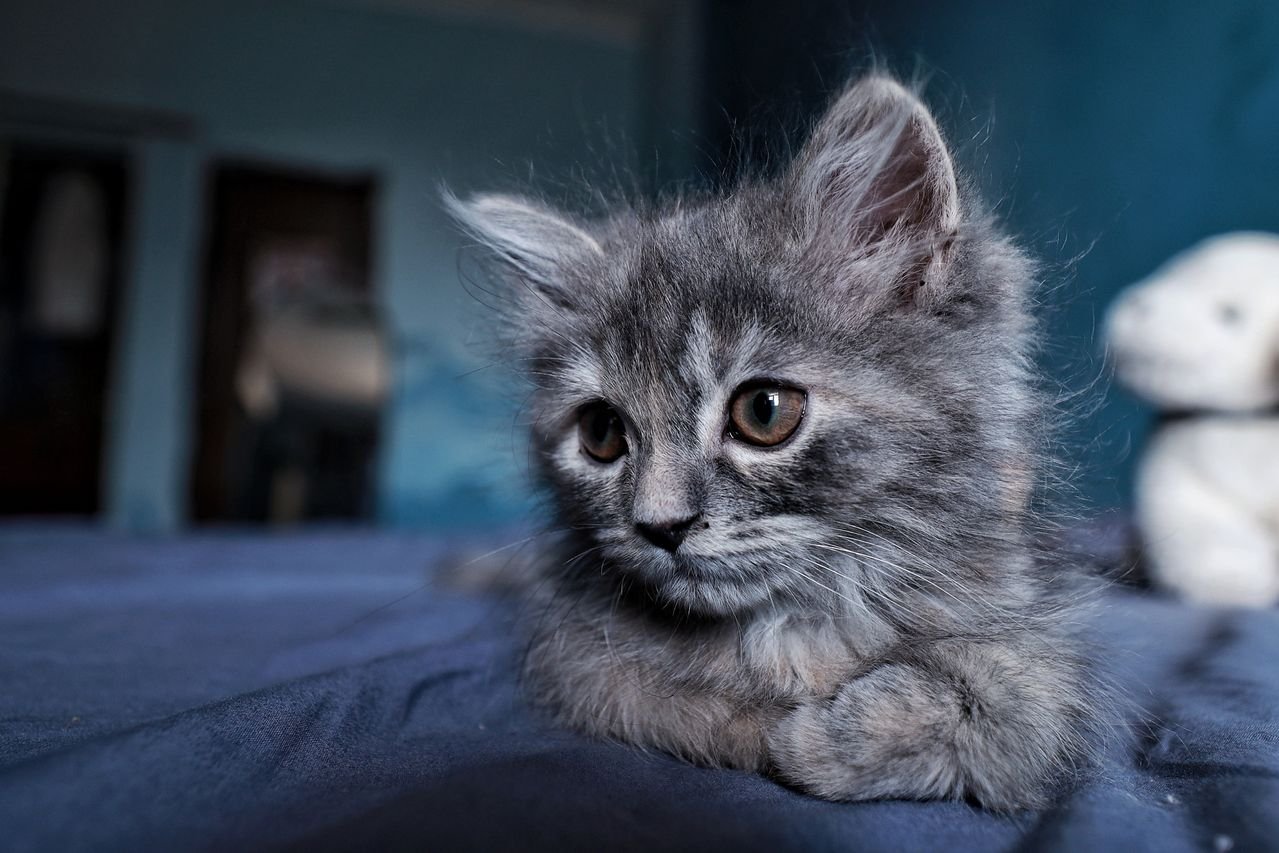
Bringing Your Kitten Home
Before They Arrive
- Set up a small, quiet starter room with a litter box, food and water dishes (placed away from the box), a bed, and a scratching post.
- Kitten-proof: tie up blind cords, cover cords, remove string, ribbon, and hair elastics, and check for gaps behind appliances.
- Ask what food the kitten has been eating so you can transition gradually.
The First Week
Let your kitten set the pace. Start them in the starter room and expand their territory gradually as confidence grows. Handle them gently and often, and begin carrier training right away by leaving the carrier open with treats inside. Book your kitten’s first wellness visit with Chilliwack Animal Hospital within 72 hours of bringing them home. This early exam checks for parasites and congenital concerns, sets up the vaccine schedule, and arranges FeLV and FIV testing. Call (604) 392-0400 or book online.
At-a-Glance Vaccine Schedule
| Age | Vaccine | Type | Notes |
|---|---|---|---|
| 6 to 8 weeks | FVRCP (feline viral rhinotracheitis, calicivirus, panleukopenia) | Core | First dose in the series |
| 10 to 12 weeks | FVRCP booster | Core | FeLV often starts here for kittens with any outdoor access |
| 14 to 16 weeks | FVRCP final booster | Core | Completes the kitten series |
| 12 to 16 weeks | Rabies | Core | Single dose; important even for indoor cats |
| 10 to 16 weeks | FeLV (feline leukaemia) series | Lifestyle | Two doses; recommended for all kittens, essential with outdoor access |
| 1 year | Boosters | Core + lifestyle | First adult boosters; ongoing schedule set by your veterinarian |
Important Note on Lifestyle Vaccines
Whether your kitten will live indoors, go outdoors, or something in between shapes their vaccine plan. FeLV (feline leukaemia) spreads through close contact between cats, and any kitten who will have outdoor access, or who lives with a cat that goes outside, should be protected. Around Chilliwack, free-roaming and community cats are part of the landscape, which raises contact risk for outdoor explorers. Even for strictly indoor cats, rabies protection matters; bats, the main rabies carrier in BC, occasionally find their way inside homes. Our team will help you match the plan to your kitten’s real life.
Spay and Neuter
Most kittens are spayed or neutered at 5 to 6 months of age, before the first heat cycle. Spaying before the first heat greatly reduces the risk of mammary tumours later in life, and it eliminates the risk of pyometra, a serious infection of the uterus that affects unspayed females. Neutering males reduces roaming, spraying, and fighting. Early-age spay and neuter, performed at shelters from 8 weeks, is also safe and well-studied. Chilliwack Animal Hospital performs these procedures with full anaesthesia monitoring and attentive pain management.
Nutrition for Your Kitten’s First Year
Cats are obligate carnivores; they need nutrients found only in animal tissue, including taurine, which supports the heart and eyes. Choose a kitten food that meets AAFCO standards for growth.
- Wet, dry, or both: Wet food supports hydration and urinary health; dry food is convenient. Many families feed a mix. What matters most is a complete, balanced kitten formula.
- Feeding schedule: Up to 6 months, feed three to four small meals a day; after 6 months, two to three meals. Kittens burn enormous energy and need kitten food until about 12 months.
- Toxic foods for cats: onions and garlic, chocolate, alcohol, caffeine, raw dough, grapes and raisins, and anything sweetened with xylitol. Milk, despite the stereotype, upsets most cats’ stomachs.
If your kitten has specific health needs, our team may recommend a therapeutic diet. Ask us about nutrition counselling at any visit.
Parasites: What to Know
- Deworming: Kittens commonly carry roundworms. Deworming starts at the first visit and repeats through the early months, guided by stool testing.
- Fleas: Active most of the year in our mild Fraser Valley climate, and a single flea can trigger intense skin reactions. Year-round protection is the simplest answer; never use dog flea products on cats, as some are toxic to them.
- Ear mites: Common in kittens; intense ear scratching and dark, coffee-ground debris are the tell-tale signs. Easily managed once identified under the microscope.
- Giardia: Present in local water sources; mainly a risk for outdoor cats who drink from puddles or ditches.
- FIV and FeLV testing: A simple blood test at the first visit tells us your kitten’s status. Testing matters for every kitten, and especially before introducing a new kitten to resident cats.
Litter Box Success
Cats are naturally clean; set them up to succeed.
- The rule: one litter box per cat, plus one extra, on different floors of the home if possible.
- Setup: large, uncovered boxes in quiet, low-traffic spots away from food and water. Most cats prefer unscented, clumping litter.
- Maintenance: scoop daily, full litter change and box wash weekly.
A kitten who suddenly stops using the box is telling you something. Litter box avoidance is often a medical signal, including urinary discomfort, and it warrants a veterinary visit rather than punishment. Call us at (604) 392-0400 if habits change.
Socialisation and Cooperative Care
A kitten’s most sensitive social window runs from 2 to 9 weeks, so much of it happens before adoption; gentle daily handling in the weeks after homecoming continues the work. Touch paws, ears, and mouth for a few seconds at a time, always paired with treats. Introduce the carrier from day one: leave it out with soft bedding and treats inside so it becomes furniture, not a trap. Kittens who ride to the clinic in a familiar carrier grow into cats who travel calmly, which makes every future visit easier for everyone.
Play, Enrichment, and Safety
Play is how kittens learn to be cats, and the right kind protects both of you.
- Good play: wand toys, kickers, balls, and puzzle feeders. Aim the chase at toys, never at hands and feet, or a 4 kg kitten’s pounce becomes a 5 kg cat’s habit.
- Unsafe toys: string, ribbon, yarn, hair elastics, and anything with small parts that detach. These are swallowing hazards, not toys.
- Window safety: secure screens on any window you open; falls from height injure cats every summer.
- Outdoor options: if you want your cat to enjoy the outdoors safely, consider a catio or harness training started young. Supervised outdoor time avoids the traffic, wildlife, and disease risks that free roaming carries.
Children and Other Pets
Children
Show children how to hold a kitten supported under the chest and hindquarters, and to put the kitten down the moment it wriggles. Teach that a sleeping or eating kitten is off limits. Wand toys let small children play safely without teeth and claws near fingers.
Other Cats
Go slowly. Keep the newcomer in their starter room for several days, swap bedding between cats to exchange scents, then allow visual contact before supervised meetings. Feed on opposite sides of a door to build positive associations. Full acceptance can take weeks.
Dogs
Keep the dog leashed for early introductions and give the kitten high escape routes. Reward the dog for calm behaviour and never leave them unsupervised until trust is established over many calm sessions.
Foreign-Body Ingestion Hazards
String is the number one swallowing danger for cats. Thread, yarn, ribbon, tinsel, dental floss, and hair elastics can anchor under the tongue while the intestines bunch around the trailing length, causing severe internal damage. Never leave string items where a kitten can reach them, and never pull on a string you see protruding from your kitten’s mouth or hindquarters; call us immediately instead.
Signs of trouble include repeated vomiting, refusing food, drooling, a painful belly, and hiding. If you notice these signs, call Chilliwack Animal Hospital right away at (604) 392-0400.
Holiday and Household Hazards
- Lilies are life-threatening to cats. Every part of a true lily, including the pollen and vase water, can cause kidney failure. Keep all lilies out of any home with a cat, full stop.
- Other toxic plants: tulips, daffodils, sago palm, oleander, and philodendron.
- Essential oils: tea tree, eucalyptus, citrus, and pine oils are toxic to cats, whether licked, inhaled from diffusers, or absorbed through skin.
- Human products: pain relievers such as acetaminophen and ibuprofen are extremely dangerous to cats, as are many cleaning products before they dry.
- Holiday extras: tinsel, ribbon, breakable ornaments, and candles all invite trouble with a curious kitten in the house.
Grooming Basics
Start young and keep sessions short and positive.
- Coat care: short-haired cats benefit from weekly brushing; long-haired cats need it several times a week to prevent mats.
- Nails: trim every 2 to 3 weeks. Press gently on each toe to extend the claw and clip only the clear tip.
- Ears: check weekly; clean only when you see debris, using a pet-safe cleaner.
- Teeth: introduce a finger brush and pet-safe paste early; even a few seconds a day builds tolerance that protects dental health for life.
Local Health Notes
Chilliwack is a wonderful place to raise a cat, with a few local realities to plan around.
- Outdoor risk profile: Our area has active wildlife, including coyotes, raptors, and the occasional bobcat, along with busy roads. Indoor living, a catio, or harness walks are the safest choices for Fraser Valley cats.
- Community cats: Free-roaming cats are present around Chilliwack, which increases the chance of contact, fighting, and disease exposure (including FeLV and FIV) for cats allowed to roam. Local rescues work hard on this; support them by keeping your own cat contained and fixed.
- Wet-season parasites: Our mild, damp climate keeps fleas active most of the year, and standing water carries giardia. Year-round prevention makes more sense here than seasonal.
- Rabies note: Bats are the primary rabies carrier in BC and occasionally enter homes. Keep rabies vaccination current even for indoor cats, and call us if your cat ever has contact with a bat.
Low-Stress Veterinary Visits
Carrier training from day one is the single biggest gift you can give your future adult cat. Leave the carrier out as furniture, feed treats inside it, and take short practice car rides that end at home. Before a visit, a light meal and a familiar blanket in the carrier help. In the clinic, our team at Chilliwack Animal Hospital handles kittens gently and at their pace, using treats and quiet voices. You are welcome to drop in for happy visits, where nothing happens except a treat and a cuddle; kittens who learn the clinic is friendly become cats who travel and visit calmly.
When to Contact Us
Call Chilliwack Animal Hospital at (604) 392-0400 whenever something feels off; cats hide illness well, so early calls matter. We are open 7 days a week.
Contact Us Same Day For
- Straining in the litter box or crying while urinating; in male cats this can be life-threatening
- Repeated vomiting, refusing food, or hiding for more than a day
- Suspected ingestion of string, ribbon, a lily, or any toxic item
- Laboured or open-mouth breathing
- Sudden lameness, injury, or a fall from height
- Eye injuries or a suddenly cloudy, squinting eye
Schedule a Routine Appointment For
- Vaccine boosters and wellness checkups
- Spay or neuter planning
- Mild ear scratching, occasional hairballs, nutrition questions
- Litter habits, scratching, and behaviour questions
- Nail trims and grooming guidance
Outside our clinic hours, contact Abbotsford Valley Animal Emergency Clinic at (604) 850-0911.
Pet Insurance
Purchase pet insurance before your kitten’s first appointment, while their record is a clean slate; conditions noted at any visit may be excluded from later coverage. Kitten premiums are typically the lowest your cat will ever have. Providers available to Canadian pet owners include Trupanion, Pets Plus Us, Petsecure, Economical, and Intact. This list is educational, not an endorsement; compare coverage and exclusions to find the right fit. Our team is glad to supply records for any claim.
Frequently Asked Questions
When should my kitten get their first vaccines in Chilliwack?
The FVRCP series usually starts between 6 and 8 weeks of age, with boosters every 3 to 4 weeks until about 16 weeks, plus rabies and FeLV as advised. If your kitten has no vaccine history, book promptly after homecoming. Call Chilliwack Animal Hospital at (604) 392-0400 and we will set up the right schedule.
When should I spay or neuter my kitten?
Most kittens are ready at 5 to 6 months, ideally before the first heat cycle. Spaying before the first heat sharply lowers mammary tumour risk and prevents pyometra, and neutering reduces spraying and roaming. We perform every procedure with full anaesthesia monitoring.
Should my kitten be tested for FIV and FeLV?
Yes. A simple blood test at the first visit establishes your kitten’s status, which matters for their own care and for any resident cats. Testing is especially important for kittens adopted as strays or from unknown backgrounds, which is common around the Fraser Valley.
Why has my kitten stopped using the litter box?
Treat it as information, not misbehaviour. Litter box avoidance often signals a medical issue, including urinary discomfort, or a setup problem such as too few boxes or a location change. Check the basics, and if it continues more than a day or your kitten strains or cries, call us promptly.
Is it safe to let my cat outside in Chilliwack?
Free roaming carries real risks here: traffic, coyotes and other wildlife, and contact with free-roaming cats that can spread FeLV and FIV. Most local cats live longer, healthier lives indoors with enrichment. If you want outdoor time, a catio or harness training started young gives the best of both worlds.
What should I feed my kitten?
A complete kitten food that meets AAFCO growth standards, fed as three to four small meals a day until 6 months. Cats are obligate carnivores and need taurine, found in animal tissue, so complete formulas matter more than brand names. Wet food, dry food, or a mix all work when the formula is balanced; ask us for specific recommendations.
Can my kitten get pregnant before she is a year old?
Yes. Kittens can go into heat as early as 4 to 5 months and can become pregnant during their first heat. If your kitten will have any contact with unneutered males, or any outdoor access, spaying by 5 months is the safest plan. Call us to schedule well ahead.
Contact
Chilliwack Animal Hospital
45955 Yale Rd #4, Chilliwack, BC V2P 1S1, Canada
Phone: (604) 392-0400
Fax: (604) 391-0400
Email: chilliwackah@gmail.com
Hours: Monday to Friday 8:00 AM to 9:00 PM. Saturday 8:00 AM to 7:00 PM. Sunday 9:00 AM to 5:00 PM.
After-hours: Abbotsford Valley Animal Emergency Clinic, (604) 850-0911
Disclaimer
This guide is intended for general educational purposes only and does not constitute veterinary medical advice. Always consult a licensed veterinarian for your pet’s individual health needs.