
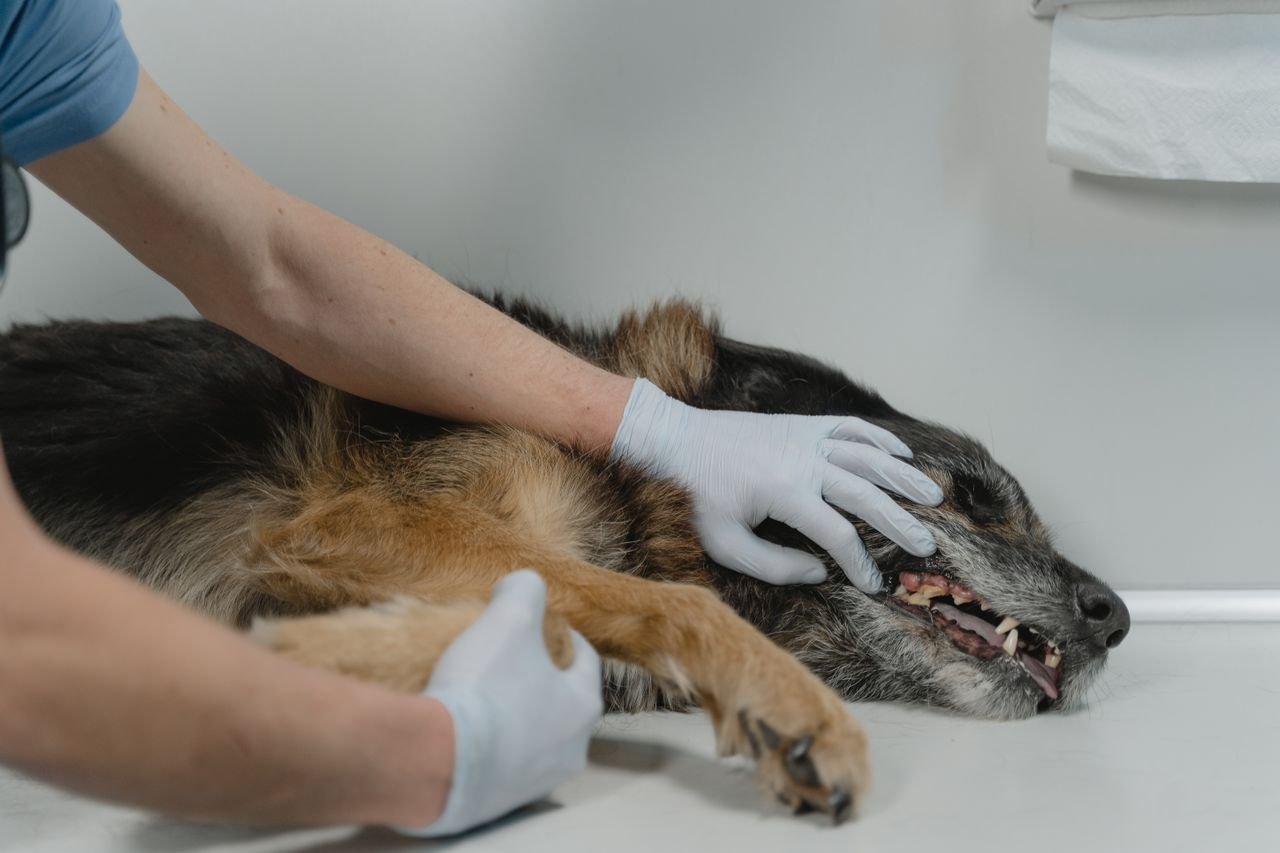
Dental care is an important part of your pet’s overall health. Just like people, dogs and cats can develop plaque, tartar, gum disease, bad breath, tooth pain, and infections if their teeth are not properly cared for.
Many dental problems can be difficult to notice at home because pets often hide pain. Regular dental care can help prevent discomfort, support better health, and improve your pet’s quality of life.
What Is Pet Dental Care?
Pet dental care includes everything that helps keep your dog or cat’s teeth, gums, and mouth healthy. This may include regular dental exams, professional dental cleanings, at-home brushing, dental chews, and monitoring for signs of oral health problems.
A veterinarian can check your pet’s mouth and recommend the right dental care based on their age, breed, health, and dental condition.
Why Dental Care Matters for Dogs and Cats
Dental disease is one of the most common health concerns in pets. It often starts with plaque buildup on the teeth. Over time, plaque can harden into tartar, which may lead to gum inflammation, infection, loose teeth, and oral pain.
Good dental care helps reduce the risk of dental disease and keeps your pet more comfortable.
Dental Problems Can Cause Pain
Pets may continue eating and acting normal even when they have dental pain. Because animals are good at hiding discomfort, dental issues may go unnoticed until the problem becomes more serious.
Signs of dental pain may include:
- Bad breath
- Drooling
- Difficulty chewing
- Dropping food while eating
- Pawing at the mouth
- Red or swollen gums
- Loose or missing teeth
- Bleeding from the mouth
- Eating on one side of the mouth
- Changes in appetite or behavior
If you notice any of these signs, it is a good idea to schedule a veterinary visit.
Dental Health Can Affect Overall Health
Dental disease does not only affect the mouth. Bacteria from infected gums and teeth may enter the bloodstream and put stress on other parts of the body.
Poor oral health may contribute to problems involving the heart, kidneys, liver, and overall immune health. Keeping your pet’s mouth clean can support their general wellness.
Bad Breath Is Not Always Normal
Many pet owners think bad breath is normal, but strong or persistent bad breath can be a sign of dental disease. While mild odor can happen, a strong smell from your pet’s mouth may indicate plaque buildup, gum disease, infection, or other oral health concerns.
A veterinary dental exam can help find the cause.
Professional Dental Cleanings Are Important
Professional dental cleanings allow a veterinary team to clean above and below the gumline, where much of the dental disease begins. These cleanings can remove plaque and tartar that cannot be fully managed with brushing alone.
Your veterinarian may also check for broken teeth, gum disease, infection, and other dental concerns during the visit.
At-Home Dental Care Helps Prevent Problems
At-home dental care can help maintain your pet’s oral health between veterinary visits. Brushing your pet’s teeth is one of the best ways to reduce plaque buildup.
Helpful at-home dental care options may include:
- Pet-safe toothpaste
- Regular tooth brushing
- Veterinary-approved dental chews
- Dental diets, if recommended
- Water additives, if appropriate
- Routine mouth checks at home
Never use human toothpaste for pets, as it may contain ingredients that are unsafe for dogs and cats.
Puppies, Kittens, Adult Pets, and Senior Pets All Need Dental Care
Dental care is important at every life stage. Puppies and kittens need their teeth checked as they grow. Adult pets need ongoing prevention and monitoring. Senior pets may be more likely to develop dental disease, tooth loss, or oral pain.
Regular exams help your veterinarian catch problems early and recommend the right care for your pet’s age and needs.
How Often Should Pets Have Dental Checkups?
Most pets should have their teeth and gums checked during routine wellness exams. Some pets may need more frequent dental evaluations depending on their breed, age, diet, health history, and existing dental condition.
Your veterinarian can recommend a dental care schedule that is right for your pet.
When Should You Call a Veterinarian?
You should contact a veterinarian if your pet has bad breath, red gums, loose teeth, bleeding, trouble eating, swelling around the face, or signs of mouth pain. Early care can help prevent dental problems from becoming more serious.
Final Thoughts
Dental care is more than keeping your pet’s teeth clean. It helps prevent pain, supports overall health, and improves your pet’s comfort and quality of life.
By combining regular veterinary dental exams, professional cleanings when needed, and at-home care, you can help protect your pet’s mouth and overall wellness for years to come.
FAQs About Pet Dental Care
Why is dental care important for pets?
Dental care helps prevent plaque, tartar, gum disease, tooth pain, infection, and bad breath. It also supports your pet’s overall health and comfort.
How do I know if my pet has dental problems?
Common signs include bad breath, red gums, drooling, difficulty chewing, loose teeth, bleeding, or changes in eating habits.
Can dental disease affect my pet’s overall health?
Yes. Bacteria from dental disease may affect other areas of the body and put stress on organs such as the heart, liver, and kidneys.
Should I brush my pet’s teeth?
Yes, brushing with pet-safe toothpaste can help reduce plaque buildup. Your veterinarian can show you how to brush your pet’s teeth safely.
How often does my pet need a dental cleaning?
The frequency depends on your pet’s age, breed, dental health, and overall condition. Your veterinarian can recommend the best schedule.